
Horse racing is a quintessential part of the UK’s cultural and sporting heritage. The excitement, the atmosphere, and the thrill of the race are magnets for fans and gamblers alike. However, there are times when UK horse racing comes to a halt, sparking curiosity and concern among enthusiasts. This article delves into the implications of UK horse racing not being in action, including the impact on stakeholders, the future of the sport, and the resilience of its community. For more insights related to this topic, visit UK Horse Racing Not on GamStop www.koyamalondon.com.
The Importance of Horse Racing in the UK
Horse racing in the UK is not merely an entertainment activity. It generates significant economic impact, supports thousands of jobs, and brings communities together. Major events like the Grand National and Royal Ascot draw in crowds of over 100,000, while online betting platforms witness surges in traffic during racing seasons. However, when racing is not on, the reverberations of this loss can be felt across various sectors.
Impacts on Bettors
For many fans, horse racing is synonymous with betting. The excitement of placing a wager adds another layer to the watching experience. The absence of races means no opportunities for betting, leading to frustration among fans. How do bettors cope when races are called off?
- Alternative Sports: Many bettors turn to other sports such as football, basketball, or even virtual racing. However, the thrill of horse racing is unique, making it a challenge for some to find a suitable substitute.
- Online Betting Platforms: Many companies that rely on racing events must adapt quickly. They may pivot to other forms of betting, offering promotions or bonuses on alternative events to retain users.
The Consequences for Owners and Trainers
Horse racing’s cessation also has significant repercussions for owners and trainers. Training schedules are disrupted, and financial strains mount as important fixtures are canceled. Owners invest significant resources in their horses, and a lack of racing can jeopardize their return on investment.
Moreover, the competition aspect is crucial for horses’ careers. Continuous racing is essential for skill development, and an absence could hinder a horse’s progress. Trainers must innovate to keep horses fit and competitive while awaiting the resumption of races.
Impact on the Economy
The UK horse racing industry contributes billions to the economy. It creates job opportunities not only within the racing community but also in hospitality, tourism, and local businesses. When racing is not happening, the economic ripple effect can be massive. Local economies, especially in areas reliant on racing events, may suffer financially.
- Employment: Many workers in related sectors, from stable staff to hospitality workers, face uncertainty. Events bring significant foot traffic, and the absence of racing means fewer customers for local businesses.
- Tourism: Racing events attract tourists from all over the world, significantly boosting the hospitality sector. The lack of racing can lead to a sharp decline in bookings at local hotels and restaurants.
Fan Engagement and Community Resilience
Another crucial aspect to consider is the relationship between horse racing and its fans. Loyal supporters cultivate an emotional bond with the sport, and they seek ways to stay connected even when races are not happening. Many organizations and local communities rise to the occasion by:

- Hosting Events: Some racing venues may host alternative events, such as community days, educational programs, or even virtual racing events to keep fans engaged.
- Online Engagement: Social media has become a powerful tool for racing authorities and fans. Regular updates, discussions, and interactive content keep the momentum alive even in the absence of live racing.
The Future of UK Horse Racing
As we consider the future of horse racing in the UK, it’s essential to acknowledge the resilience of the sport. The community surrounding it is robust, with passionate fans, dedicated professionals, and strong organizations working tirelessly to ensure the continuity and growth of the industry.
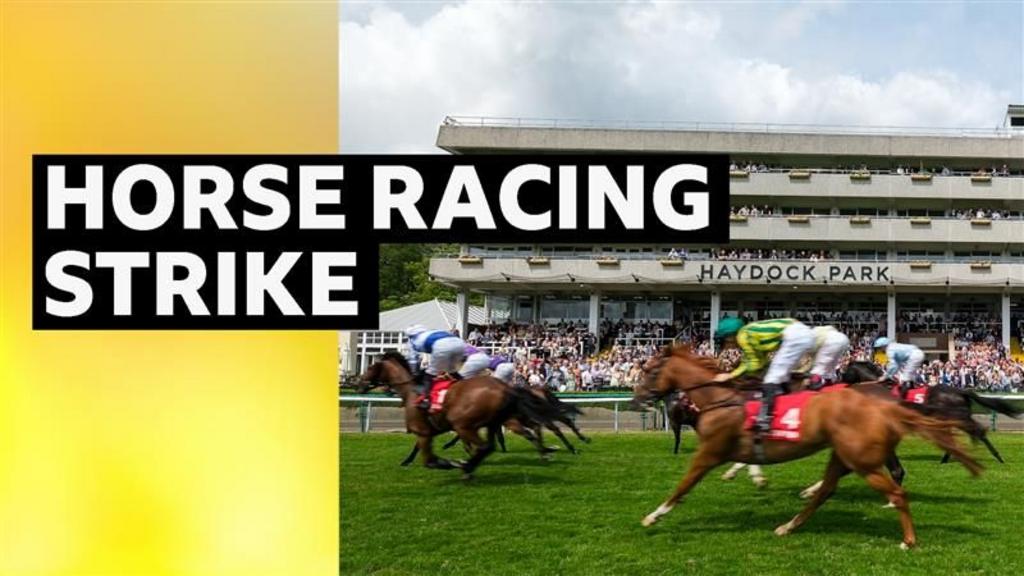
The pandemic underscored vulnerabilities but also spurred adaptation and innovation. For instance, the rise of behind-closed-doors racing, virtual race betting, and enhanced broadcast capabilities allowed fans to experience the sport in new ways. While disruptions may arise, the enthusiasm and dedication of the racing community will likely pave the way for a brighter future.
Conclusion
The implications of UK horse racing not being on ripple through various facets of society—impacting fans, betting platforms, horse owners, trainers, and the broader economy. However, through resilience, innovation, and community engagement, the sport has the potential to recover and thrive despite challenges. As supporters of UK horse racing, it’s vital to maintain that connection, adjust to changing circumstances, and advocate for the love of the sport that binds us all. As we look forward to the races resuming, it’s essential to support local racing communities and promote the return of this cherished pastime.